
The Renault 5 E-Tech focusses on usability and driving dynamics. The Renault 5 E-Tech focusses on usability and driving dynamics. The Renault 5 E-Tech focusses on usability and driving dynamics. 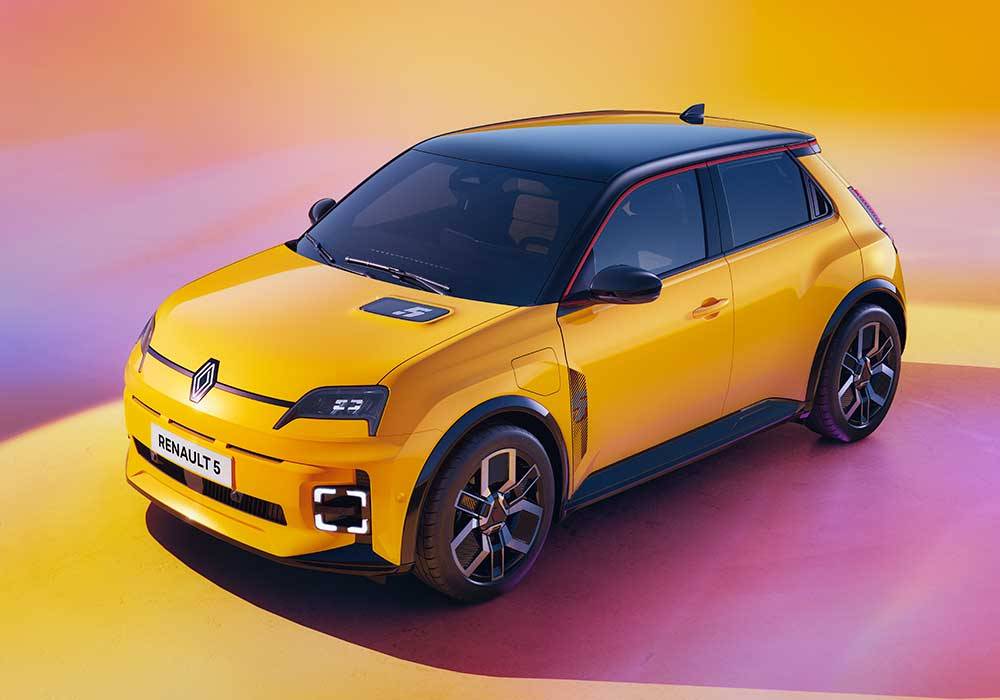


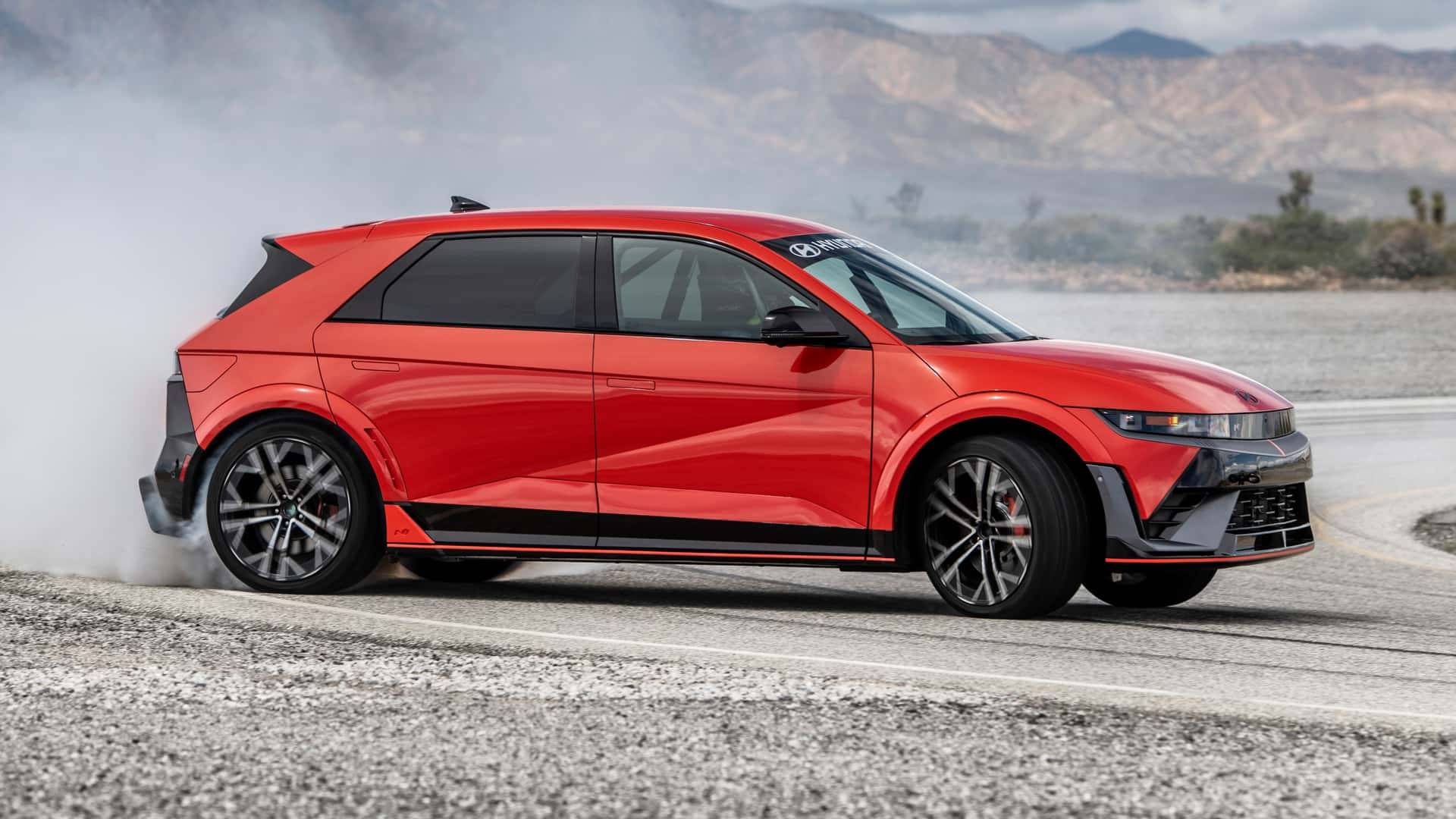
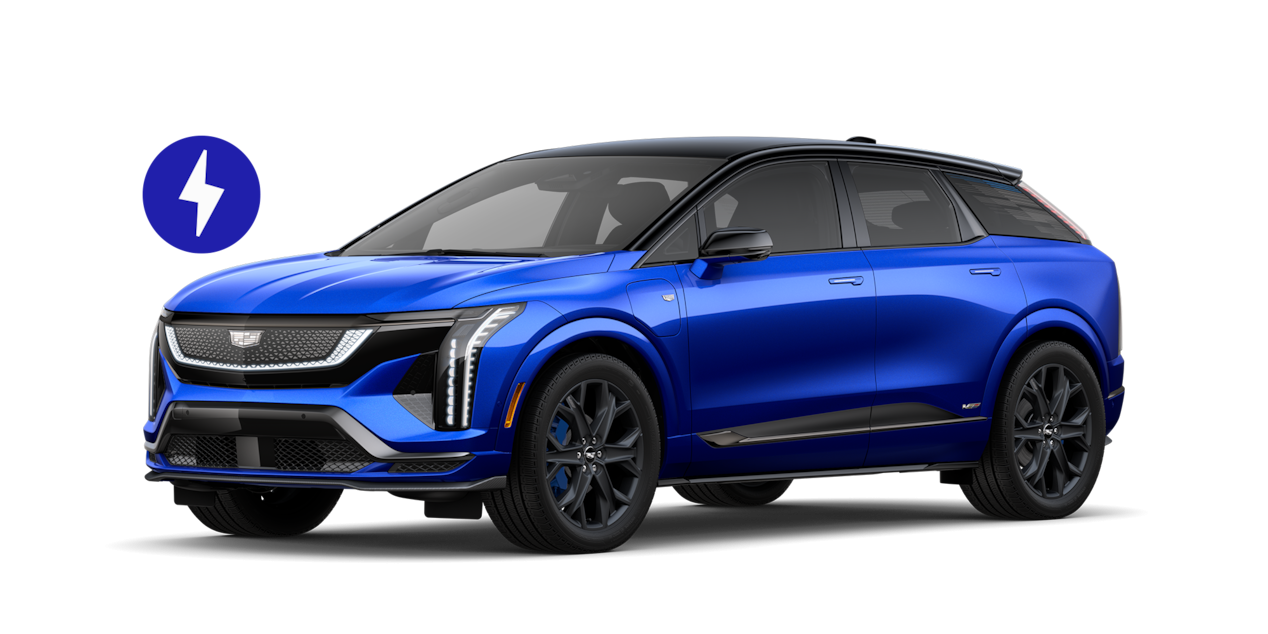



The Honda Insight 2000-2021
The evolution of Honda’s first-to-market, globally available EV; an engineering showcase.


Honda Insight generations 1-3


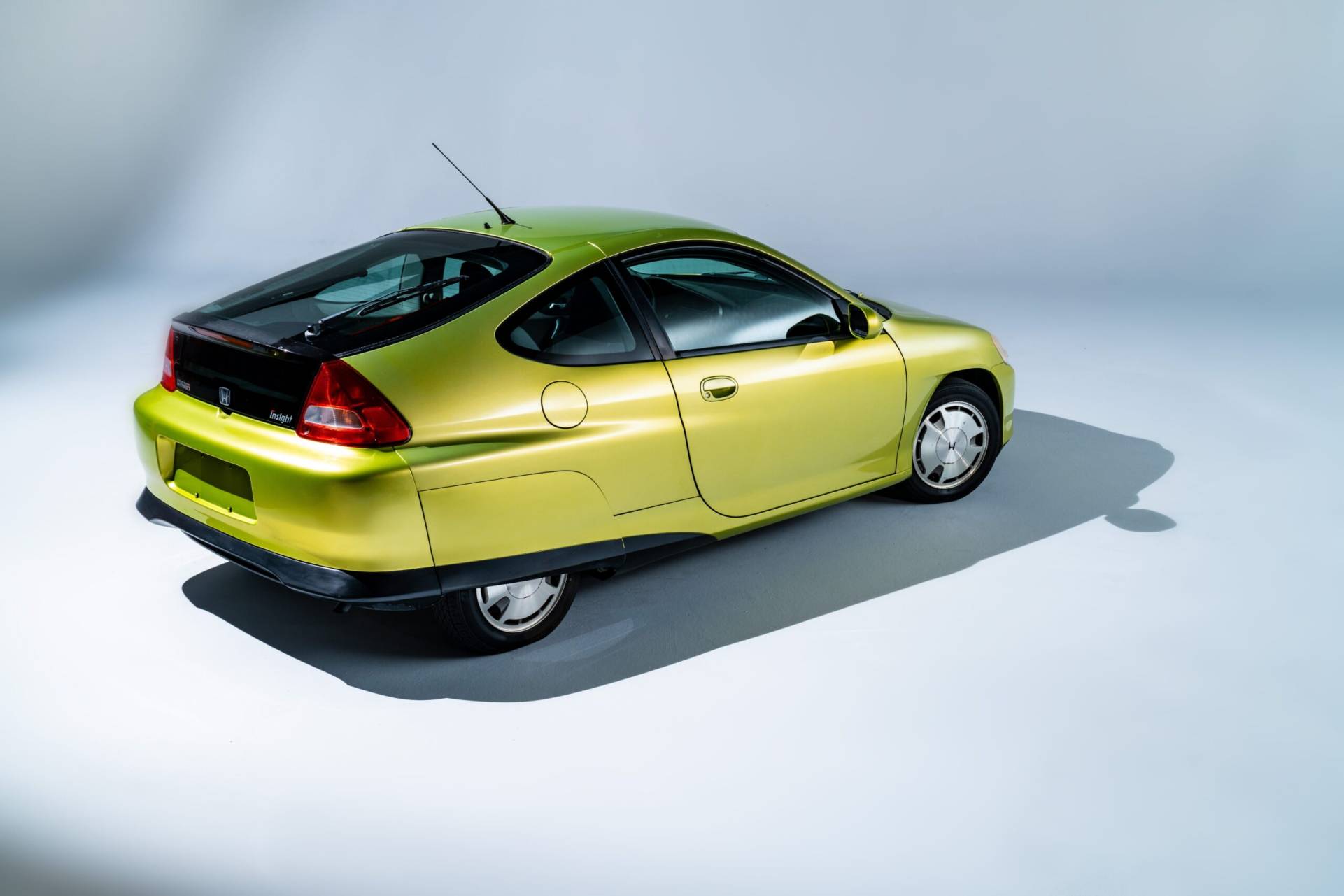
The Honda Insight began as a no-holds barred engineering exercise. In a race-to-market against Toyota’s Prius, both manufacturers built cars meant to be hybrids, not retrofitted. Honda built an aluminium body and monocoque, with aluminium wheels, suspension components and brakes and tapered rear end, skirted rear wheels, dual-powered by a 3 cylinder gas and an IMA motor. First-to-market, the gen. 1 Honda Insight is a hybrid-electric car built from 2000 – 2006. Originally offered as a 2 door, 2 seat body, the Insight was built on the same line as the venerable S2000 and NSX. Available as either a 5 speed manual or CVT, boasting a drag coefficient of 0.25 and a weight of 830-890kg (transmission variance) the gen 1 Insight is, in this reviewer’s opinion (after owning 2 of them, one of the best designed, constructed and handling early EVs produced. I’m not alone as it maintains a global, cult following.
In this edition, ‘Lectric Love presents all 3 Honda Insight generations and body styles. The first generation (internal code: ZE1, built 2000-2006) is a subcompact car. The second generation (internal code: ZE2, built 2010-2014) is a compact car while the recent, third generation (ZE4 , built 2019-2021) is a four door sedan. The following are overviews of this important EV.Honda Insight 2000-2006
Honda Insight 2000- 2006 – Gen. 1


The first-generation Honda Insight was produced from 1999 to 2006 and was Honda’s first production hybrid and in fact, the first hybrid sold in North America (model year 2000 arriving in 1999) before the Toyota Prius. It was a lightweight, ultra-efficient 2-seat hybrid with radical design and advanced engineering for its time.
Design & Engineering Highlights Powertrain
- Engine: 1.0 L inline-three gasoline engine paired with Honda’s Integrated Motor Assist (IMA) hybrid system — a motor-assist layout.
- Manual or CVT: A 5-speed manual was standard (most desirable), and a CVT was optional later on. Lightweight Aerodynamics
- The body used extensive aluminum construction — rare for the era — to trim weight and improve efficiency.
- Very sleek aero design with a drag coefficient around 0.25 and narrow tires.
- Fuel Economy & Efficiency
- The weight-savings in the aluminum wheels are a tangible indication of Honda’s exemplary design and fabrication of the entire car.
This was the Insight’s biggest strength:
- EPA highway ratings were around 61 mpg, with combined figures around 50-55 mpg common in real-world use. With careful driving, many owners saw 60–70+ mpg on highway runs.
That level of efficiency was exceptional for its time, rivalling (and sometimes exceeding) what hybrids achieve today.

Driving Experience
Pros
- Fuel-saving fanatic’s dream: Super-efficient, light, and rewarding to drive economically.
- Manual transmission is fun: The 5-speed manual makes it feel alive despite modest power.
- Agile & light: Small size and accurate steering make it easy to zip around town.
- Seats are lightweight and surprisingly comfortable with an uncanny resemblance to the S2000 seats but dressed in cloth. The cloth is very thin and wears poorly over time.
Cons
- Lots of compromises for efficiency: Ride can be stiff and road noise is high, since weight was trimmed aggressively.
- Not very powerful: Around ~70–73 hp combined means leisurely acceleration — 0-60 can be slow by modern standards.
- Two-seat layout: Not practical for families or cargo — it’s a niche car.


Practical Considerations in 2026
Pros for Owners
- Some first-gen Insights still deliver excellent mpg and can be reliable if well-maintained.
- Many owners enjoy the unique character and historical significance.
Challenges as a Used Car
- Hybrid battery condition is critical — old packs degrade over time and can be expensive to replace.
- Parts can be hard to find, and the Insight’s low production numbers make it rarer than most cars.
- Handling in bad weather can be tricky due to light weight and skinny tires.
- Lacks modern safety equipment and tech.
Owners on forums often stress that if you buy one, check battery health and be prepared to DIY or track down rare parts.
Legacy & Enthusiast Appeal
Today the first-gen Insight is often appreciated as a collector or enthusiast car — something to experience rather than use as a mainstream daily driver. Its pioneering role in hybrid history and quirky design give it a special place among eco-cars.
Quick Summary
Strengths
- Exceptional fuel economy for its era and even now.
- Lightweight and efficient engineering.
- Unique looks and historical significance.
Weaknesses
Plugged_in_Ride score: 99%
Sparse creature comforts, stiff ride, and high road noise.
Weak acceleration & limited practicality.
Age-related maintenance and parts availability challenges today. Bottom LineThe first-generation Honda Insight is less about performance or practicality and more about fuel-efficiency brilliance and automotive history. It was a groundbreaking hybrid pioneer in its day and still impresses hardcore efficiency fans — but (especially as a used car) expect trade-offs and some maintenance challenges due to age.
Honda Insight 2010-2014 – Gen.2

Overview
The 2nd gen. Honda Insight is a compact five-door hybrid hatchback that focuses on efficiency, low running costs, and everyday usability. It blends familiar Honda reliability with hybrid technology, making it a sensible commuter car rather than a performance or luxury vehicle.
Fuel Economy
This is where the Insight shines.
- Excellent city fuel efficiency
- Strong overall MPG for its class and era
- Real-world results depend heavily on driving style
- Eco driving mode helps maximize savings
Drivers who use smooth acceleration and steady speeds will see the biggest benefits. Aggressive driving noticeably reduces hybrid gains
Power & Driving Experience
The Insight uses a small gasoline engine paired with an electric motor.
Pros:
- Smooth operation at low speeds
- Quiet in city driving
- Easy to maneuver and park
Cons:
- Modest acceleration
- Can feel underpowered on highways or hills
- Engine can get noisy under hard throttle
This is not a quick car — it’s built for efficiency first.
Interior & Comfort

The cabin is functional and modern for its time, with a futuristic dashboard layout. We do see the polarizing split gauge pods adding to the clunkiness of the design.
Strengths:
- Clear digital instrument display
- Good outward visibility
- Hatchback cargo flexibility
- Split-folding rear seats
Weaknesses:
- Interior materials feel budget-grade
- Rear seat space is tight for taller passengers
- Road noise is noticeable at highway speeds
Comfort is acceptable for commuting but not luxurious
Technology & Features
For a 2010 hybrid, features were competitive:
- Digital hybrid efficiency display
- Eco coaching feedback system
- Available navigation (higher trims)
- Steering-wheel controls
- Standard safety features
The “eco score” style feedback system was ahead of its time and encouraged fuel-saving driving habits.


Reliability & Ownership
Typical strengths include:
- Strong long-term reliability reputation
- Lower maintenance costs than many hybrids
- Hybrid battery systems generally durable
- Affordable used market
- SummaryPros:
- Excellent fuel economy
- Affordable hybrid entry point
- Practical hatchback design
- Reliable drivetrain
- Low operating costs
- Slower acceleration
- Basic interior quality
- Noticeable road and engine noise
- Tight rear seating
- Plugged_in_Ride score: 80%

Honda Insight 2019-2021
Overview
The Honda Insight Gen 3 is a compact hybrid sedan based on the Civic platform, blending strong fuel economy with a more traditional design than earlier quirky Insight models. It was sold in LX, EX, and Touring trims with Honda’s 1.5 L hybrid powertrain and advanced safety tech standard (Honda Sensing).
What It Does Well
Fuel Economy & Efficiency
- Real-world fuel economy commonly lands around 45–55 mpg (US) with typical driving — excellent for a non-plug-in hybrid.
- Owners frequently report high highway and city MPG with smooth transitions between electric and gasoline power.
Safety & Tech

- Honda Sensing (adaptive cruise, lane-keep assist, collision mitigation, etc.) is standard on all trims — a strong plus for safety-minded buyers.
- Ride Comfort & Cabin
- Generally praised for a comfortable, quiet ride compared with many economy rivals. Interior quality and ergonomics are considered better than many Prius-class competitors’ cabins.
- Regular commuting and city driving are where the Insight shines — smooth, efficient, and predictable — making it a good low-cost daily driver.
- The hybrid system prioritizes efficiency over power — acceleration can feel underwhelming, especially merging onto highways. Some owners note throttle lag and a “drone” under load due to the e-CVT drivetrain.
- Engine and drivetrain noise can be intrusive under acceleration; tire and wind noise isn’t as well suppressed as more premium rivals.
- Lower trims use basic plastics and older infotainment, and trunk space is modest due to the hybrid battery.
- Battery degradation and rare engine issues (e.g., historic reports of cylinder cracks) have cropped up in some models; a hybrid system health check is recommended before buying used. Some owners report glitches with electronics and adaptive systems.
- The automatic emergency braking (AEB) system in some 2019–22 Insights has been probed by U.S. safety regulators over unexpected activations, which could affect used-vehicle safety assessments.
- Many owners find the Insight reliable and economical with very low fuel costs over tens of thousands of miles. Ride comfort and handling are often described positively, though some note firm suspension or vibration on rough roads. Community feedback indicates that the normal driving experience and MPG can surpass expectations, especially in non-Econ modes.
- Ride Comfort & Cabin
- Best For:
- Daily commuting and city drivingBuyers prioritizing efficiency and safety techThose who value Honda reliability and low running costs
- Drivers seeking brisk acceleration or sporty performanceThose wanting cutting-edge infotainment or premium interiorsBuyers who need lots of cargo space


- Honda Insight Gen 3 PLUGGED_IN_RIDE score: 90%
Reimagine a classic as an EV
SPOTLIGHT: Late-model EV
Renault 5 E-Tech
The hot-hatch legend, evolved.


🚗
Overview & Positioning
The Renault 5 E-Tech is Renault’s modern electric take on the iconic R5 city car. It’s built on a new small-car EV platform with retro-inspired styling, compact dimensions, and a focus on everyday usability and fun driving dynamics.
💡 Europe-focused launch — price and specs vary by market, but it generally undercuts rivals like the Mini Electric and Peugeot e-208 while offering competitive range and equipment.


⚡
Performance & Driving Experience

Power & Range
- Available with two motors:
- ~90 kW (~120 hp) version
- ~110 kW (~150 hp) version
- Range (WLTP) roughly ~305 km (~190 mi) for the smaller battery and ~405 km (~250 mi) for the larger pack.
- 0–100 km/h (0–62 mph) in ~8–9 seconds — brisk for the segment.

🛣️ Drivers report peppy acceleration and agile handling, giving a “go-kart-like” feel around town and enough composure on country roads. Ride comfort is generally good, though small bump impacts can be noticeable due to the short wheelbase.
🔋 Charging is practical: up to 100 kW DC fast charging (30-ish minutes 15–80% on bigger battery) and 11 kW AC standard on all trims.


Interior, Tech & Practicality
👨💻 Interior is modern and well-equipped for the class:
- Twin screens with Android Automotive OS + Google built-in, plus wireless Apple CarPlay/Android Auto.
- Simple climate controls and a comfortable driving position.
- Cabin is relatively quiet, competitive with rivals.
📏 Boot space is decent (~326 L), but rear legroom is tighter than in larger hatchbacks.


🛡️
Safety
The Renault 5 scored a 4-star Euro NCAP safety rating with solid adult/child occupant scores and typical city-car safety tech (AEB, lane assist, cruise limiter, etc.).
👍
Pros
- Attractive retro-inspired design with modern flair.
- Good all-round EV performance and handling for a small hatch.
- Strong tech suite with Google services native.
- Practical charging speeds and respectable real-world range.

👎
Cons / Criticisms
- Rear passenger space and boot practicality limited by size.
- Efficiency and real-world range can dip in colder or high-speed conditions — typical for small EVs.
- Some reviewers note that driver aids and infotainment quirks (e.g., intrusive digital avatars or software niggles) can be irksome.
- Not yet long-term reliability data.
🏁
Verdict
The 2026 Renault 5 E-Tech punches above its weight as one of the most compelling small electric cars in Europe:
✔ Great blend of style, performance, and tech
✔ Real-world usability for daily driving
✔ Good value compared with many rivals
✖ Still carries typical city-car compromises in space and efficiency
If you want a characterful, affordable EV with modern connectivity and enjoyable dynamics — and you don’t need tons of rear-seat space — it’s one of the strongest options right now in its category.

